
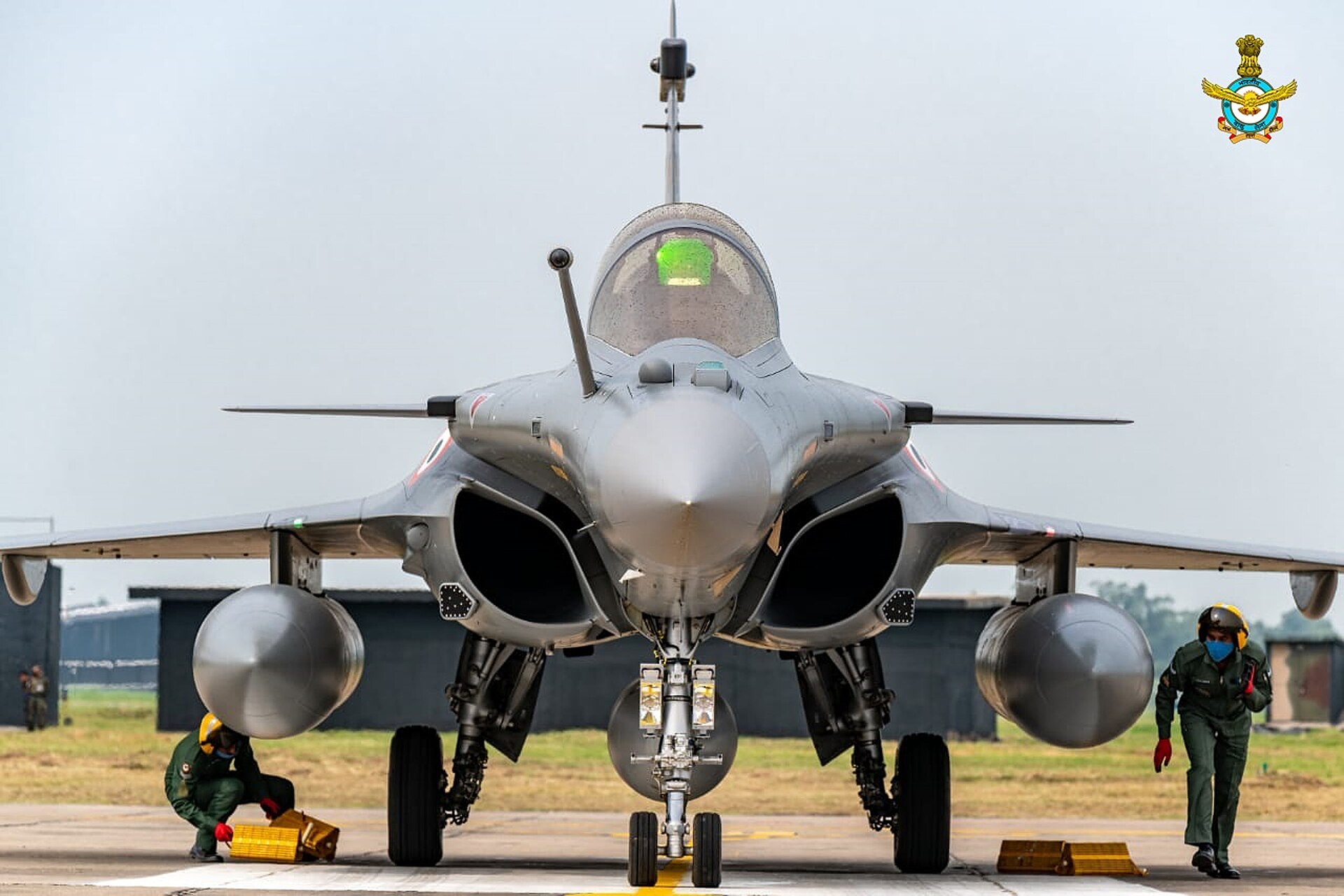
On paper, the India vs Pakistan military balance looks lopsided. India spends roughly eight times as much on defence, has a far bigger economy and fields more of almost everything. Yet in May 2025 the two fought their most intense conflict in half a century, and both sides walked away claiming victory.
That gap between numbers and outcomes is the real story. This analysis looks past headline counts to compare the things that actually decide a modern India–Pakistan war: technology, airpower, missiles, air defence, the China factor and, above all, nuclear deterrence.
Quick answer: India holds a large and growing conventional edge over Pakistan in budget, airpower, missiles, air defence and naval strength, and showed in May 2025 that it can strike deep into Pakistan. Pakistan narrows the gap with modern Chinese weapons such as the J-10C and PL-15, a new Rocket Force, and nuclear weapons it says it could use first. Nuclear deterrence keeps any war short and limited.
In this article
- The money: an eight-to-one gap
- What Operation Sindoor revealed
- Airpower: quality, numbers and missiles
- Missiles and rocket forces
- Air defence
- The naval balance
- Strategic deterrence: the nuclear shadow
- The China factor
- How both sides are adapting after 2025
- Common misconceptions
- Our take
- Frequently asked questions
- Sources and further reading
The money: an eight-to-one gap
| India (2026-27) | Pakistan (2026-27) | |
|---|---|---|
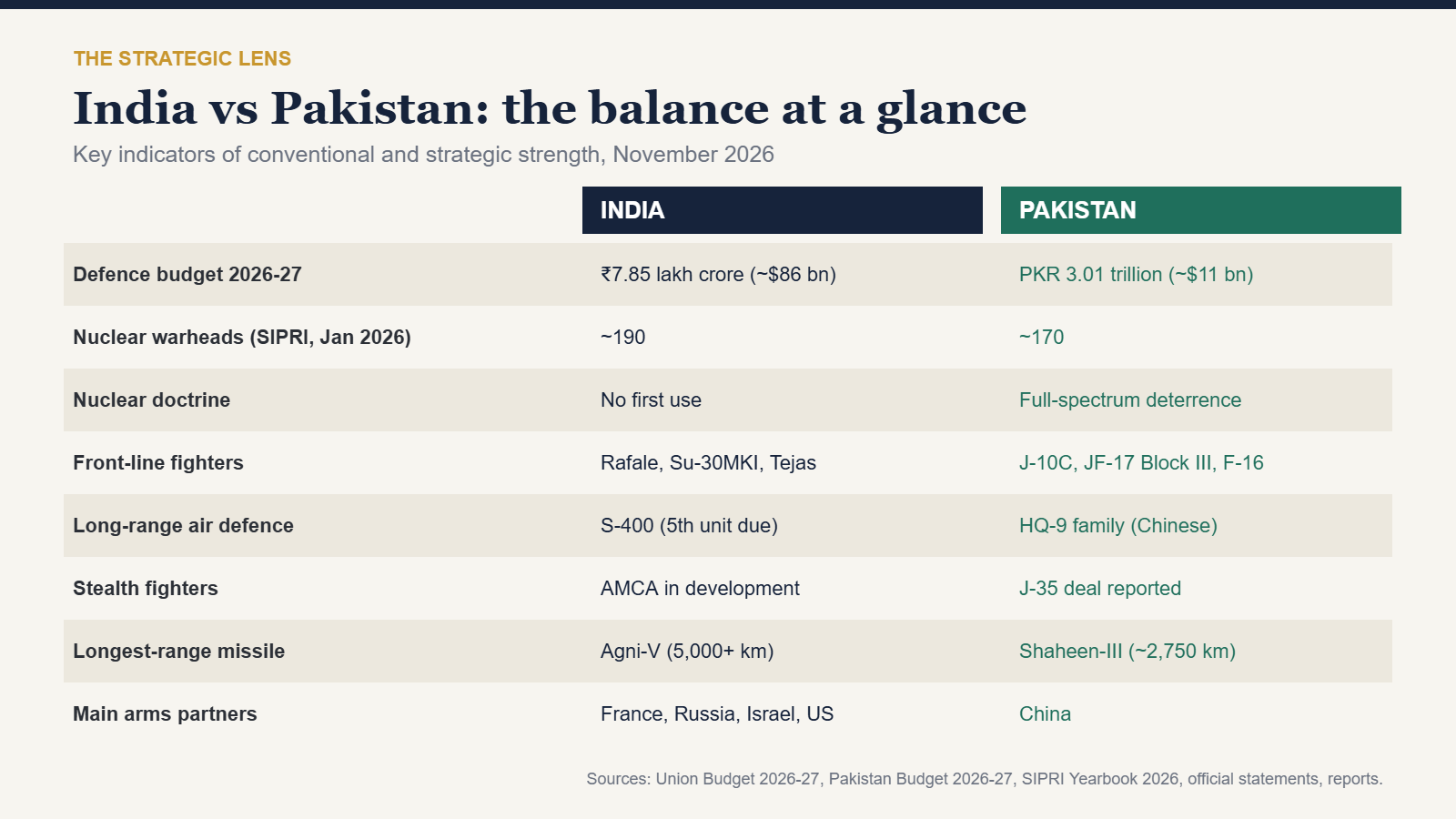
| Defence budget | ₹7,84,678 crore (about $86 billion) | PKR 3,010 billion (roughly $11 billion) |
| Increase | About 15% | About 17.6% |
| Notes | Capital outlay ₹2.19 lakh crore for new equipment | About 2% of GDP; excludes PKR 822 billion in military pensions |
Both countries raised spending sharply after the 2025 conflict. India’s budget is now roughly eight times Pakistan’s, and its capital budget alone, the money for new weapons, is far larger than Pakistan’s entire defence budget. Pakistan, with an economy under IMF supervision, spends a higher share of a much smaller economy and relies heavily on Chinese equipment and credit.
Money is not everything, though. India has to defend two long, disputed borders, with China as well as Pakistan, plus a vast ocean. Pakistan can concentrate almost everything on India.
What Operation Sindoor revealed
After 26 civilians were killed in a terrorist attack at Pahalgam on 22 April 2025, India launched Operation Sindoor on 7 May, striking nine sites in Pakistan and Pakistan-administered Kashmir that it said were terrorist infrastructure. Pakistan denied involvement in the attack. Over the next three days, the fighting escalated to drones, missiles, artillery and air battles. On 10 May, India struck a series of Pakistani air bases, including Nur Khan near Rawalpindi, Rafiqui, Murid and Sargodha. A ceasefire took effect at 5 pm IST that day.
The contested claims
| Claim | Source | Status |
|---|---|---|
| Five to six Indian jets shot down, including Rafales | Pakistan | Disputed. US officials cited by Reuters said at least two, including one Rafale. India’s CDS acknowledged losses but rejected Pakistan’s numbers. |
| Several Pakistani fighters and a surveillance aircraft shot down | India (IAF chief, Aug 2025) | Pakistan denies; not independently verified |
| Damage at multiple Pakistani air bases | India | Partly supported by satellite imagery of some sites |
| Damage at Indian bases and S-400 sites | Pakistan | India acknowledged limited damage at four bases and denied the rest |
What both sides agree on is the scale: one of the largest beyond-visual-range air battles ever reported, with more than 100 aircraft involved, and neither side’s jets crossing the border. Retired Indian generals have argued India held the military advantage when the ceasefire came. Pakistan’s leaders say the same about themselves. Our assessment: India showed it could hit targets across Pakistan at will, while Pakistan showed its Chinese-supplied air force could inflict real costs.
Airpower: quality, numbers and missiles
| Indian Air Force | Pakistan Air Force | |
|---|---|---|
| Front-line fighters | Rafale, Su-30MKI, Tejas, Mirage 2000, MiG-29, Jaguar | J-10C, JF-17 (A/B/Block III), F-16, Mirage III/5 |
| Squadrons | About 29 (sanctioned 42) | Smaller, younger fleet built around Chinese jets |
| Long-range air-to-air missile | Meteor (on Rafale), Astra | PL-15 (on J-10C, JF-17 Block III) |
| Airborne early warning | Netra, Phalcon | Saab 2000 Erieye, ZDK-03 |
| Stealth fighter | AMCA in development (~2034) | J-35: initial agreement reported, May 2026 |
The IAF’s biggest weakness is numbers: about 29 squadrons against an authorised 42, after the retirement of the MiG-21. Its strengths are heavyweights like the Su-30MKI and Rafale, long-range strike weapons such as air-launched BrahMos and SCALP, and growing numbers of Tejas jets. The 114-Rafale deal and the Tejas Mk2 are meant to close the numbers gap.
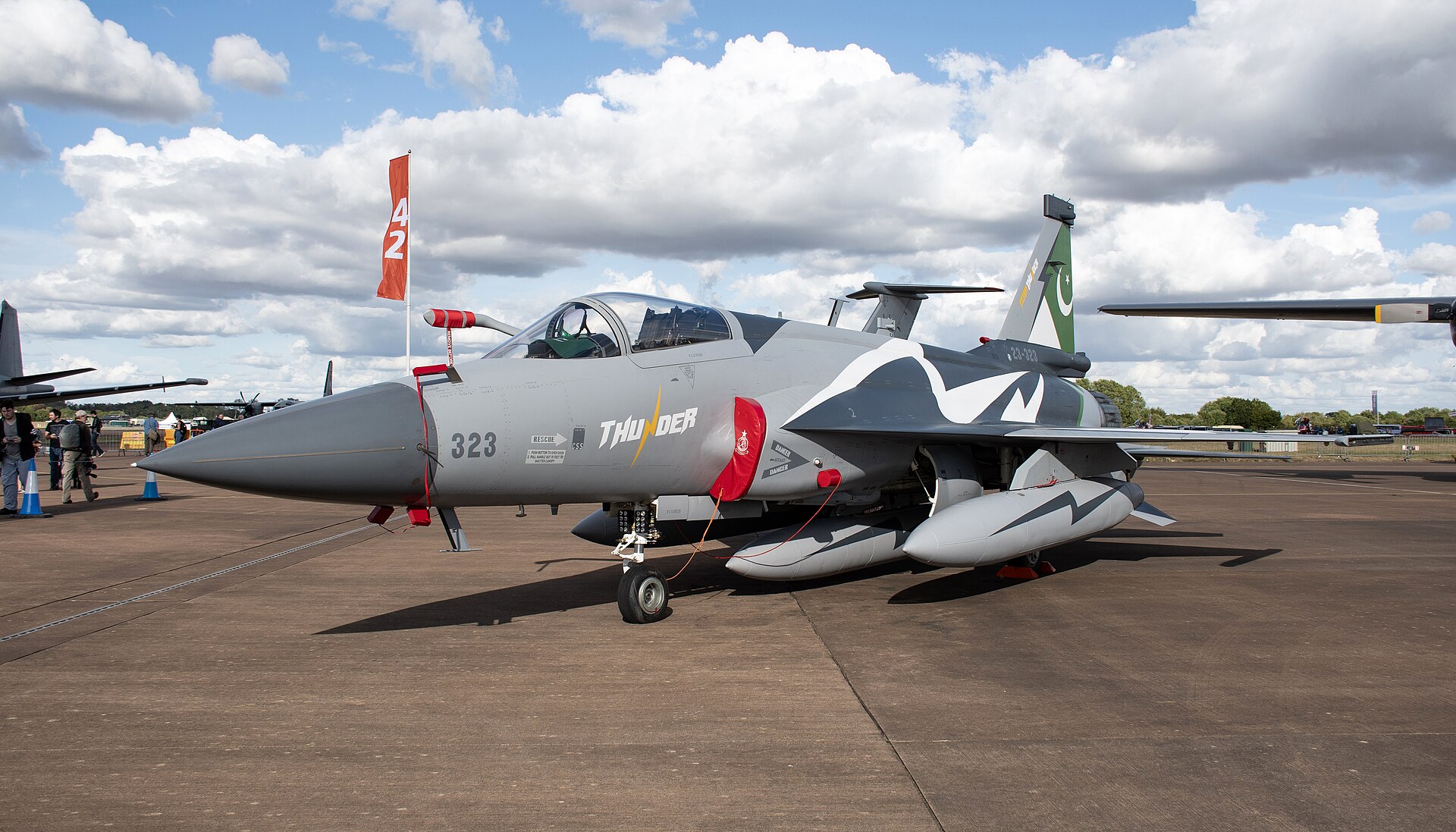
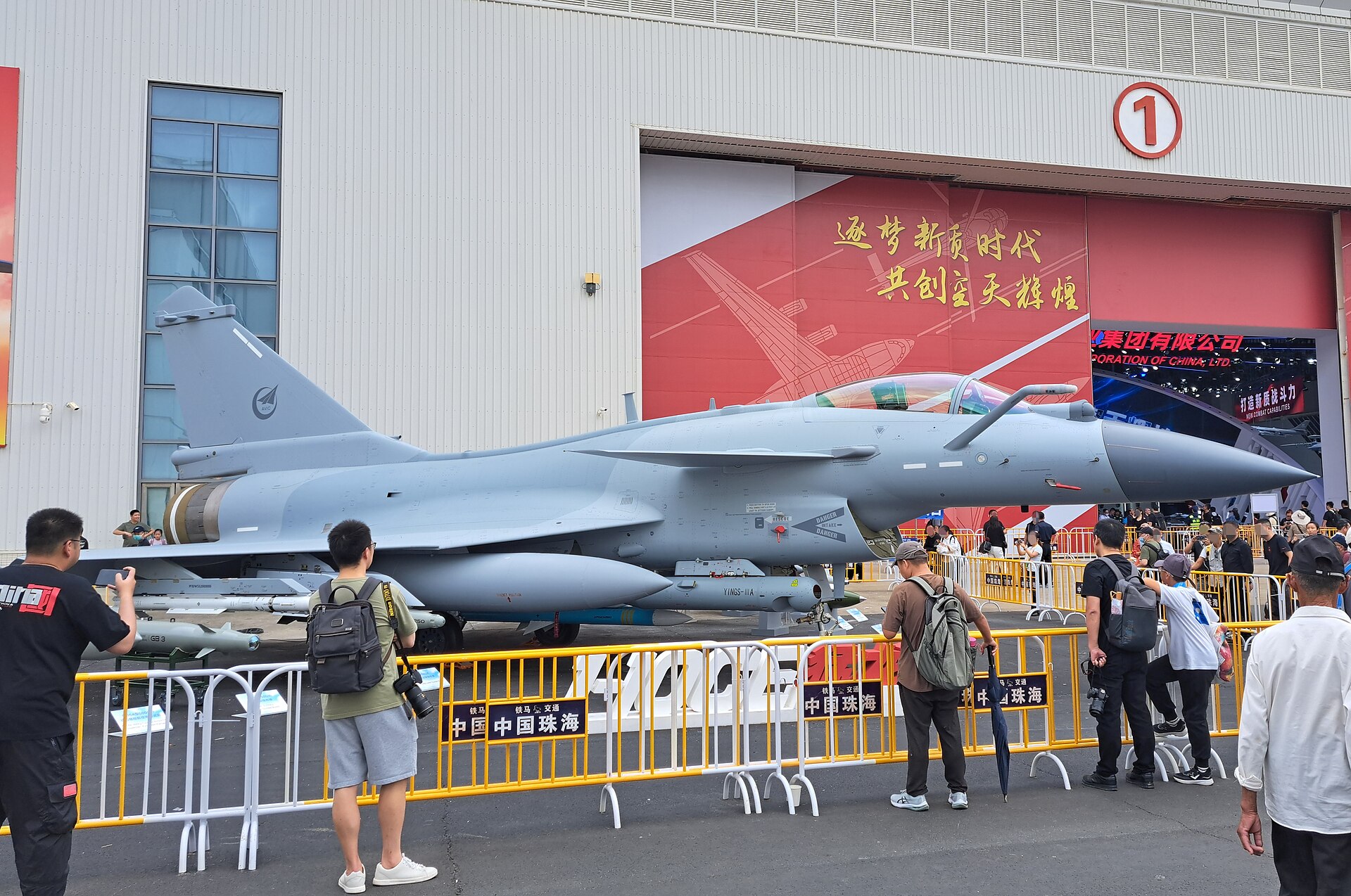
The PAF is smaller but has modernised fast with Chinese help. The J-10C with the PL-15 gave it a credible long-range air-to-air punch in 2025, supported by early-warning aircraft. The JF-17 provides numbers. A reported deal for China’s J-35 stealth fighter could give Pakistan stealth aircraft years before India’s own AMCA is ready.
Missiles and rocket forces
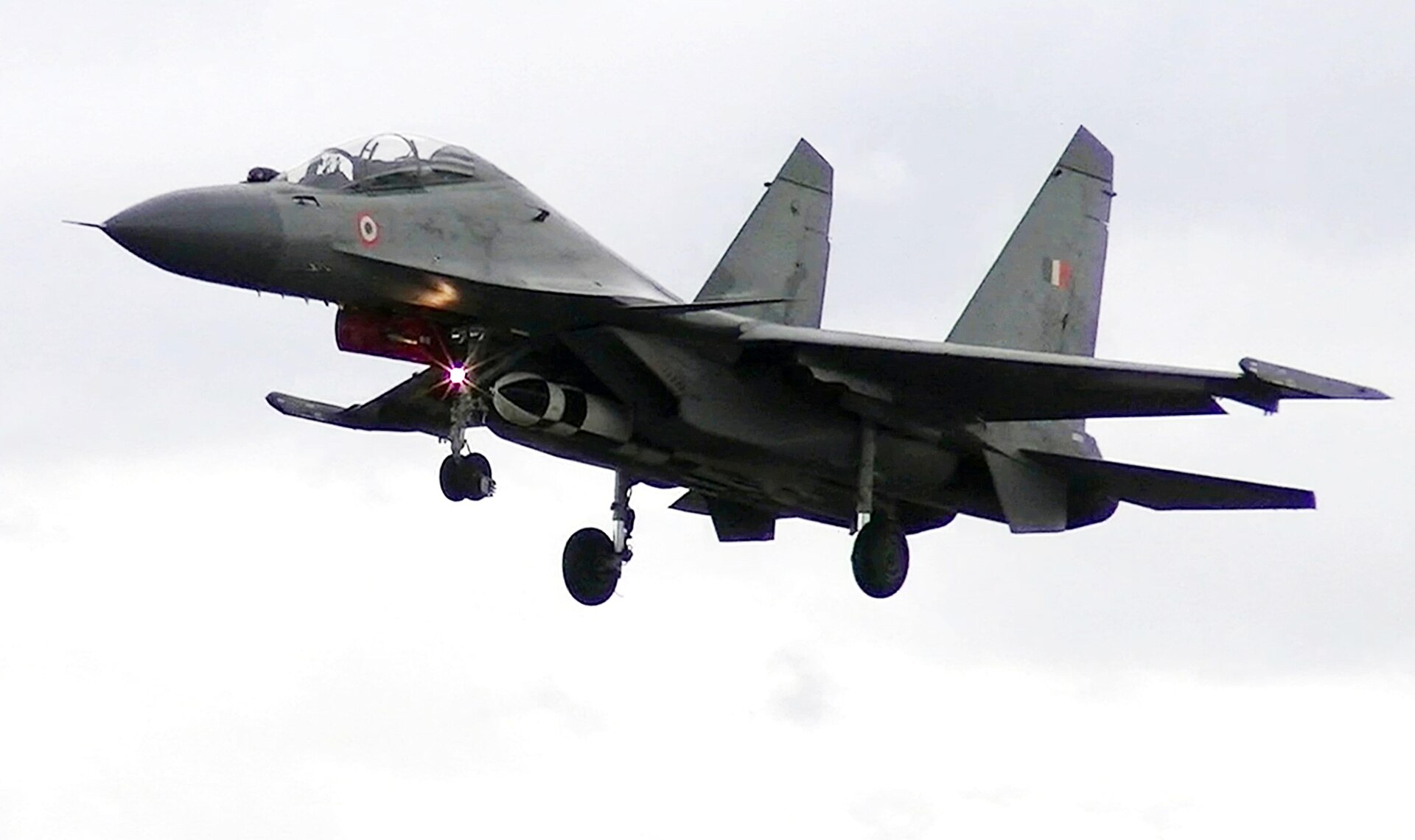
India’s conventional missile arsenal is deeper and longer-ranged: BrahMos in several versions, SCALP, the Pralay tactical ballistic missile and a range of drones and loitering munitions. Its nuclear-capable Agni family reaches far beyond Pakistan into China.
Pakistan’s most notable response to 2025 was organisational. On 13 August 2025, it announced an Army Rocket Force Command to run conventional rockets and missiles separately from its nuclear forces. Its Fatah family includes the Fatah-I guided rocket (70–140 km), the Fatah-II (about 400 km), and newer cruise missiles: Fatah-III (unveiled May 2026) and Fatah-IV (about 750 km, tested in 2025 and 2026). The aim is to strike Indian bases with conventional weapons without raising nuclear alarms.
Air defence
India’s layered network, built around the S-400, MR-SAM, Akash and the IACCS command system, was tested hard in May 2025 and largely held, according to Indian officials. It is now expanding under Mission Sudarshan Chakra, with India’s own long-range Project Kusha flying its first test in July 2026. Our explainer on India’s air defence system covers each layer.
Pakistan relies on Chinese HQ-9 variants and shorter-range systems. India’s ability to hit air bases deep inside Pakistan in 2025 suggests gaps in that coverage, which Pakistan is trying to close with Chinese help, including a reported offer of HQ-19 ballistic missile defence.
The naval balance
At sea, India’s lead is widest. It operates two aircraft carriers, INS Vikramaditya and INS Vikrant, a growing fleet of destroyers and frigates armed with BrahMos, and three nuclear-powered ballistic missile submarines. Pakistan’s navy is much smaller and focused on coastal defence and denying India the Arabian Sea, with eight Chinese-designed Hangor-class submarines on order to strengthen its underwater force. In a long conflict, India’s ability to blockade Karachi would be a major lever.
Strategic deterrence: the nuclear shadow
| India | Pakistan | |
|---|---|---|
| Estimated warheads (SIPRI, Jan 2026) | About 190 | About 170 |
| Doctrine | No First Use; massive retaliation | No NFU; “full-spectrum deterrence” |
| Tactical nuclear weapons | None declared | Nasr (about 60–70 km) |
| Longest-range missile | Agni-V (5,000+ km) | Shaheen-III (about 2,750 km) |
| MIRV | Tested 2024 and 2026 | Ababeel claimed tested |
| Sea-based deterrent | Three SSBNs | Babur-3 sea-launched cruise missile in development |
This is the factor that shapes everything else. Pakistan’s doctrine deliberately leaves open the option of using nuclear weapons first, including small tactical weapons, to offset India’s conventional strength. India’s doctrine promises it will not strike first, but will respond massively if attacked with nuclear weapons. Our explainer on India’s Agni missiles and nuclear triad explains its side in detail.
SIPRI noted that India’s 2025 strikes hit Pakistani bases believed to have nuclear-related roles, and both governments took steps to avoid escalation. The lesson many analysts draw is that both countries now believe there is room for short, sharp conventional fighting below the nuclear threshold. That belief is itself a risk.
The China factor
Pakistan’s military is increasingly a Chinese-equipped force. SIPRI estimates that around 80 percent of Pakistan’s major arms imports in recent years came from China, from fighters and missiles to submarines and air defence. China also reportedly provides surveillance and intelligence support. For India, this means any conflict with Pakistan has a Chinese dimension, and its planning has to account for a possible two-front threat.
Pakistan has also widened its partnerships. In September 2025 it signed a mutual defence agreement with Saudi Arabia, and it has deepened defence-industrial ties with Türkiye. India, by contrast, buys from a diverse group: France, Russia, Israel and the United States, alongside a fast-growing domestic industry.
How both sides are adapting after 2025
- India: a 15% budget increase, about ₹40,000 crore in emergency purchases of drones, munitions and weapons, more S-400s, faster work on Kusha, anti-drone systems and long-range strike, and a renewed push on fighter numbers.
- Pakistan: a 17.6% budget increase, the new Rocket Force, more Fatah missiles, more J-10Cs and upgraded JF-17s, the reported J-35 deal, and a stronger political role for the army after Asim Munir’s promotion to Field Marshal in May 2025.
Common misconceptions
- “India’s numbers guarantee a quick victory.” Nuclear weapons and international pressure mean wars are short and limited. India cannot use its full strength for long.
- “Pakistan won the 2025 air battle.” Both sides claim success, and key claims remain unverified. The evidence suggests both suffered losses and both achieved some aims.
- “Nuclear parity means equal strength.” Warhead numbers are similar, but conventional power, economic weight and strategic depth are not.
- “Chinese weapons are inferior.” The PL-15 and J-10C performed credibly in 2025. Writing them off is a mistake.
Our take
India’s overall advantage over Pakistan is real and growing, especially in money, missiles, air defence and naval power. But the 2025 conflict showed that a technologically modern Pakistan, backed by China, can still impose costs, and that nuclear weapons cap how far any conflict can go.
Over the next five years, three things will decide the balance: whether India fixes its fighter shortage faster than Pakistan acquires stealth jets, whether India’s air defences can handle Pakistan’s growing rocket and drone forces, and whether both sides keep treating short wars below the nuclear threshold as manageable. The last of these is the most dangerous assumption in South Asia.
Frequently asked questions
Who is militarily stronger, India or Pakistan?
India is stronger overall, with a defence budget about eight times larger, more and longer-range missiles, a stronger navy and a more extensive air defence network. Pakistan has narrowed some gaps with modern Chinese aircraft and missiles.
How many nuclear weapons do India and Pakistan have?
SIPRI estimated India had about 190 warheads and Pakistan about 170 in January 2026.
What happened in Operation Sindoor?
Operation Sindoor was India’s military operation against Pakistan from 7 to 10 May 2025, after the Pahalgam attack. It began with strikes on what India called terrorist sites and escalated to drone, missile and air battles before a ceasefire on 10 May.
Did Pakistan shoot down Indian Rafales?
Pakistan claimed it shot down several Indian jets, including Rafales. US officials cited by Reuters said at least two Indian aircraft, including one Rafale, were downed. India acknowledged losses but has not confirmed numbers or types.
What is Pakistan’s Army Rocket Force Command?
A command formed in August 2025 to operate Pakistan’s conventional rockets and missiles, such as the Fatah series, separately from its nuclear forces.
What is the difference between India’s and Pakistan’s nuclear doctrines?
India has a No First Use policy and promises massive retaliation if attacked with nuclear weapons. Pakistan rejects No First Use and follows full-spectrum deterrence, including tactical nuclear weapons.
Sources and further reading
Researched using official statements and published reporting up to 6 November 2026.
- Business Today: Union Budget 2026 defence allocation, 1 Feb 2026
- Express Tribune: Pakistan defence budget raised by 17.6%, 13 Jun 2026
- The Week: SIPRI Yearbook 2026 on India’s arsenal, 9 Jun 2026
- The Week (Lt Gen Philip Campose, retd): Decoding Pakistan’s military strategy, 14 Oct 2026
- Wikipedia: 2025 India–Pakistan conflict
- Wikipedia: Army Rocket Force Command


Leave a Reply