
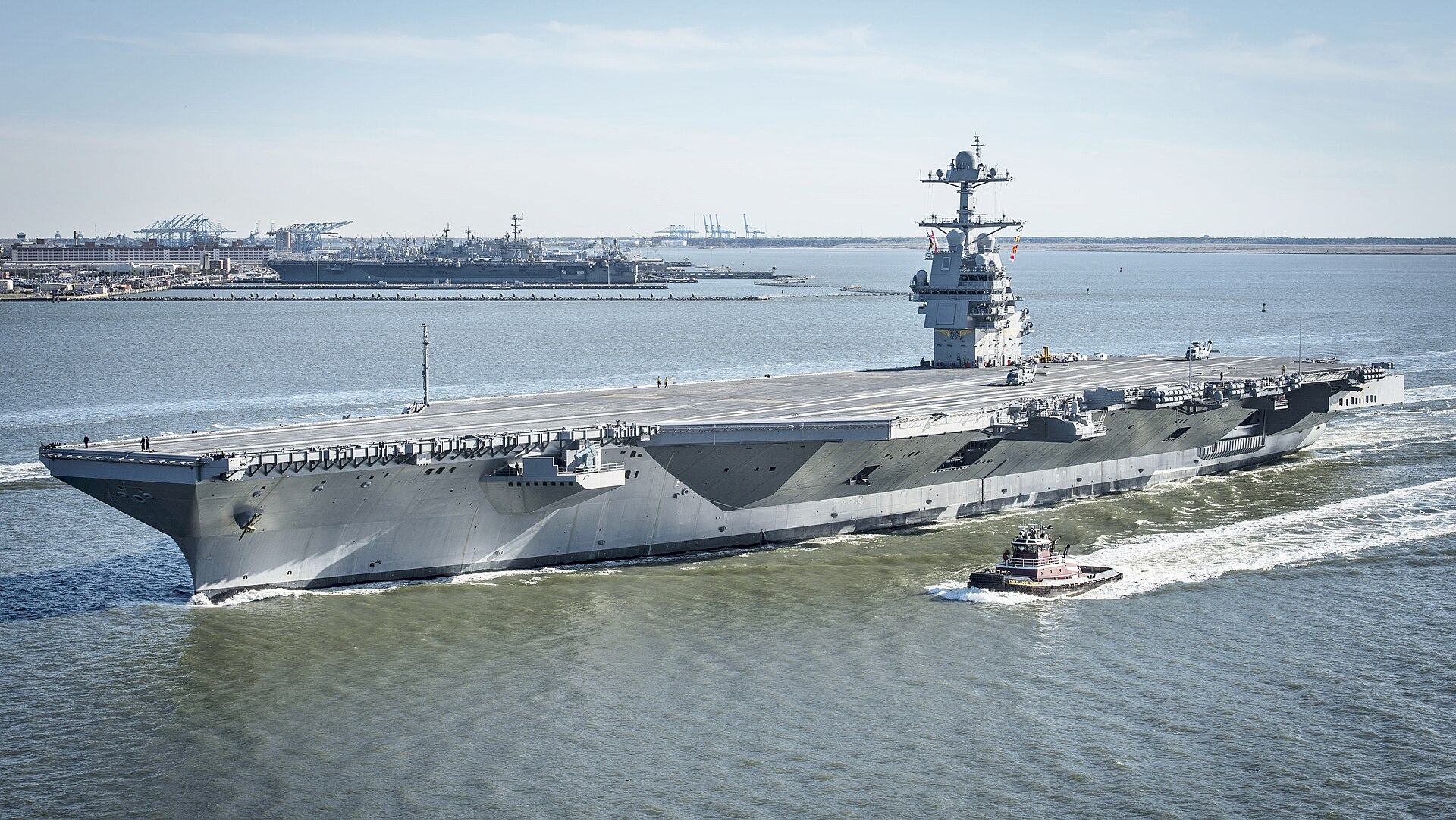
For most of the past 80 years, the US Navy ruled the oceans without serious challenge. That era is ending. China now has the world’s largest navy by number of ships, and its shipyards can build vessels at a pace the United States has not matched since the Second World War.
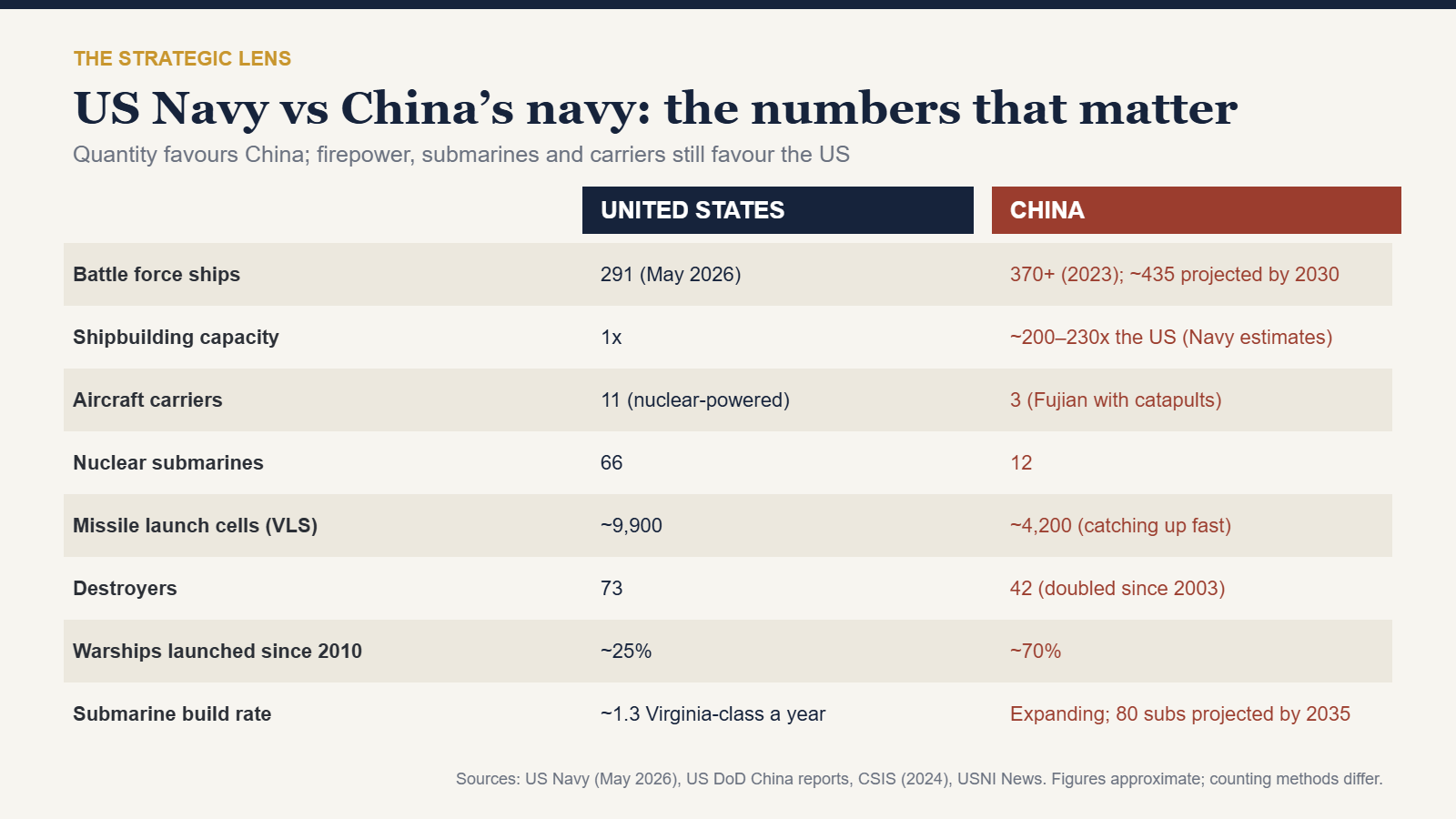
In May 2026, the US Navy admitted it has 291 battle force ships, 64 fewer than the 355 required by law. This article explains the US Navy vs China shipbuilding race: the real numbers, why American shipyards fell behind, what Washington is doing about it, and whether quality can still beat quantity.
Quick answer: China’s navy has more ships than the US Navy (370+ versus 291) and Chinese shipyards have roughly 200 times America’s capacity. The US still leads in aircraft carriers, nuclear submarines and missile cells, but that lead is shrinking. Washington is spending record sums on shipbuilding, including a new “Golden Fleet” plan and nuclear battleship, but its shipyards are struggling to deliver on time.
In this article
- The numbers: how big is each navy?
- The shipbuilding gap: 200 times
- Why American shipyards fell behind
- Submarines: America’s edge, and its bottleneck
- Can quality beat quantity?
- What Washington is doing about it
- The battleship debate
- What it means for India and the Indo-Pacific
- Common misconceptions
- Our take
- Frequently asked questions
- Sources and further reading
The numbers: how big is each navy?
Counting warships is trickier than it sounds. Some counts include coast guard cutters, logistics vessels or small patrol boats; others do not. Here are the most widely used figures:
- US Navy: 291 battle force ships as of May 2026, according to the Navy. The legal target is 355.
- China’s navy (PLAN): about 370 ships in 2023, according to the US Defense Department, projected to reach about 395 in 2025 and 435 by 2030.
- Fighting ships only: using a narrower definition of armed warships over 1,000 tonnes, CSIS counted 234 Chinese against 219 American in 2024.
Whichever count you use, the trend is the same: China passed the US in ship numbers around 2020 and the gap is widening.
The shipbuilding gap: 200 times
The bigger problem is not today’s fleet but tomorrow’s. An unclassified US Navy briefing slide estimated China has around 230 times America’s shipbuilding capacity. China builds roughly half of the world’s commercial ships; the US builds less than 1 percent. Chinese yards can switch between commercial and naval work, giving China a huge surge capacity in wartime.
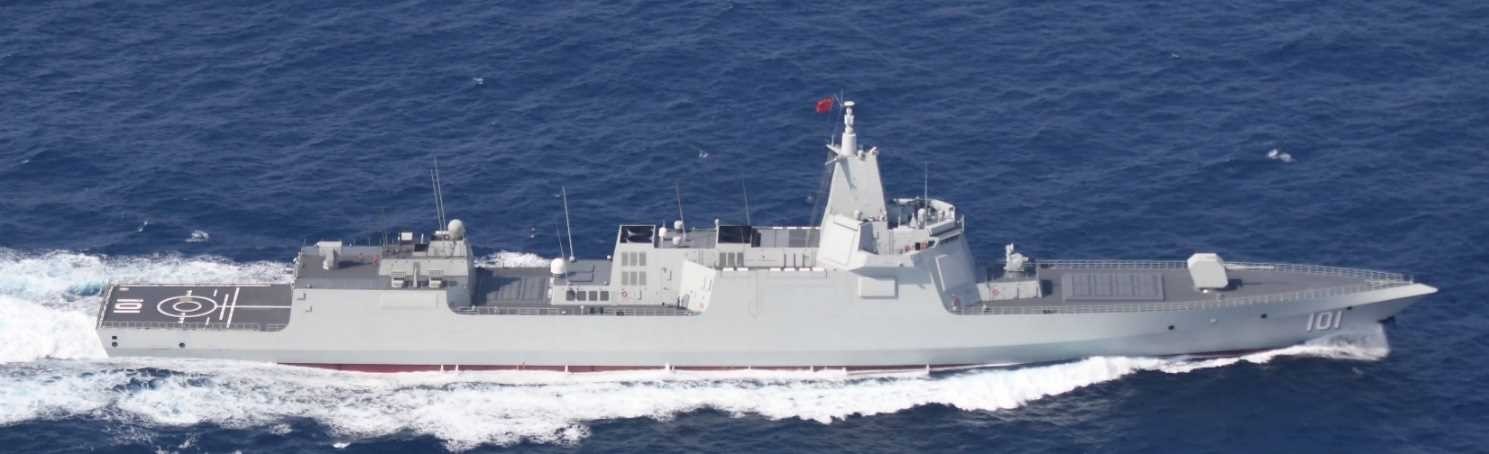
China’s fleet is also young. About 70 percent of its warships were launched after 2010, compared with about 25 percent of US Navy ships. Its Type 055 destroyers are among the largest and best-armed surface combatants in the world.
Why American shipyards fell behind
- Consolidation: after the Cold War, the number of US shipyards building large warships shrank to a handful.
- Workforce: skilled welders, electricians and engineers are scarce, and many leave for better-paid jobs.
- Commercial collapse: without a large commercial shipbuilding industry, naval yards lack scale and suppliers.
- Changing designs: programmes such as the Constellation frigate kept changing during construction, causing years of delay.
The Constellation-class frigate shows the problem clearly. Ordered in 2020 and based on a proven European design, it was about three years late by 2024 and only about 12 percent complete when, in November 2025, the Navy cancelled all but the first two ships. A new frigate, FF(X), based on the Coast Guard’s National Security Cutter, was announced in December 2025.
Submarines: America’s edge, and its bottleneck
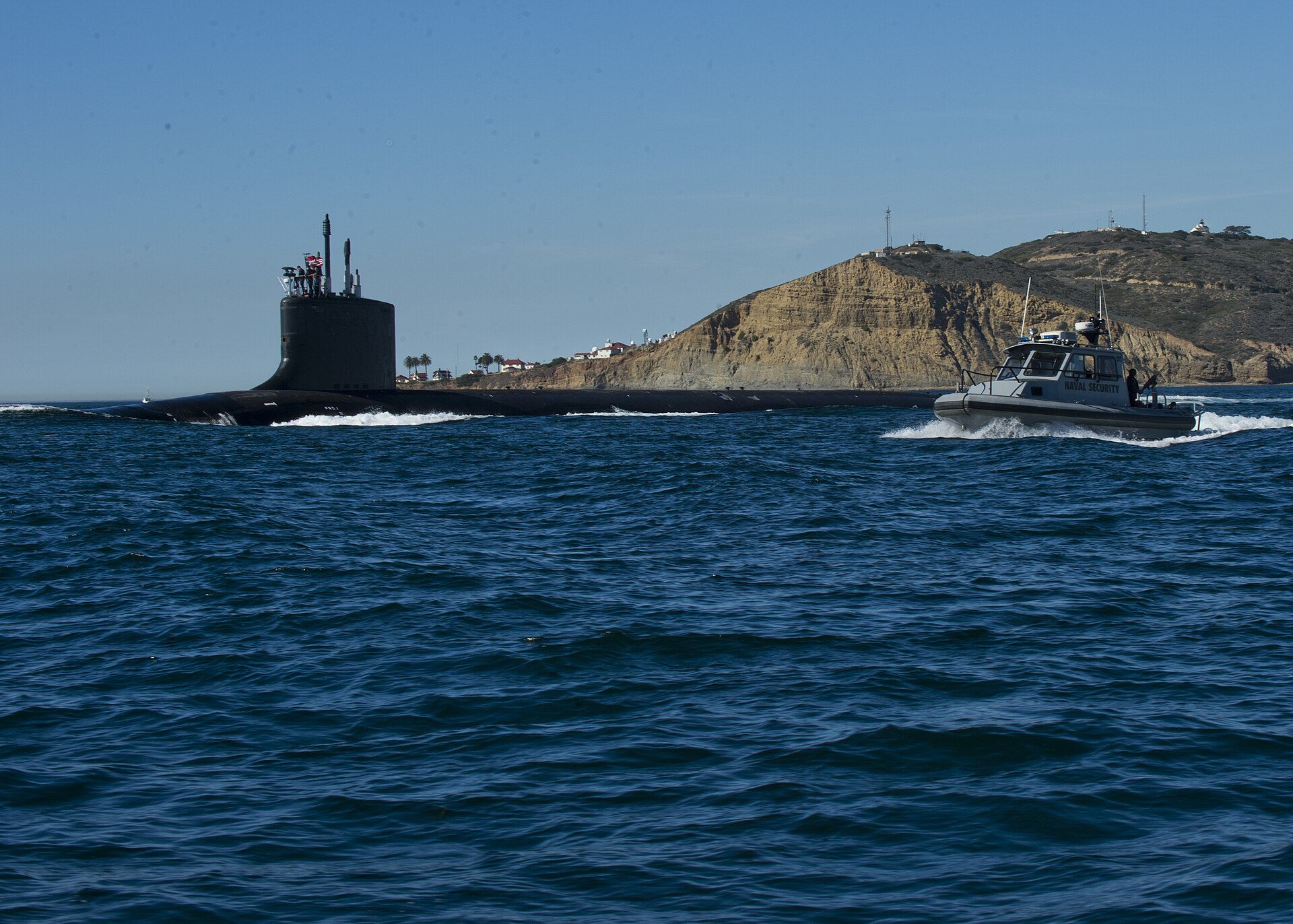
Nuclear submarines are where the US lead is greatest: about 66 nuclear-powered boats against China’s 12, according to CSIS. They carry more than 1,100 missile tubes between them and are far quieter than Chinese designs.
But the US is building Virginia-class attack submarines at only about 1.3 a year, against a goal of two. The Chief of Naval Operations told Congress in May 2026 that two a year would be reached around 2032. That matters for the AUKUS deal with Australia, which requires an even higher rate, and for the new Columbia-class ballistic missile submarines, which take priority in the yards.
Can quality beat quantity?
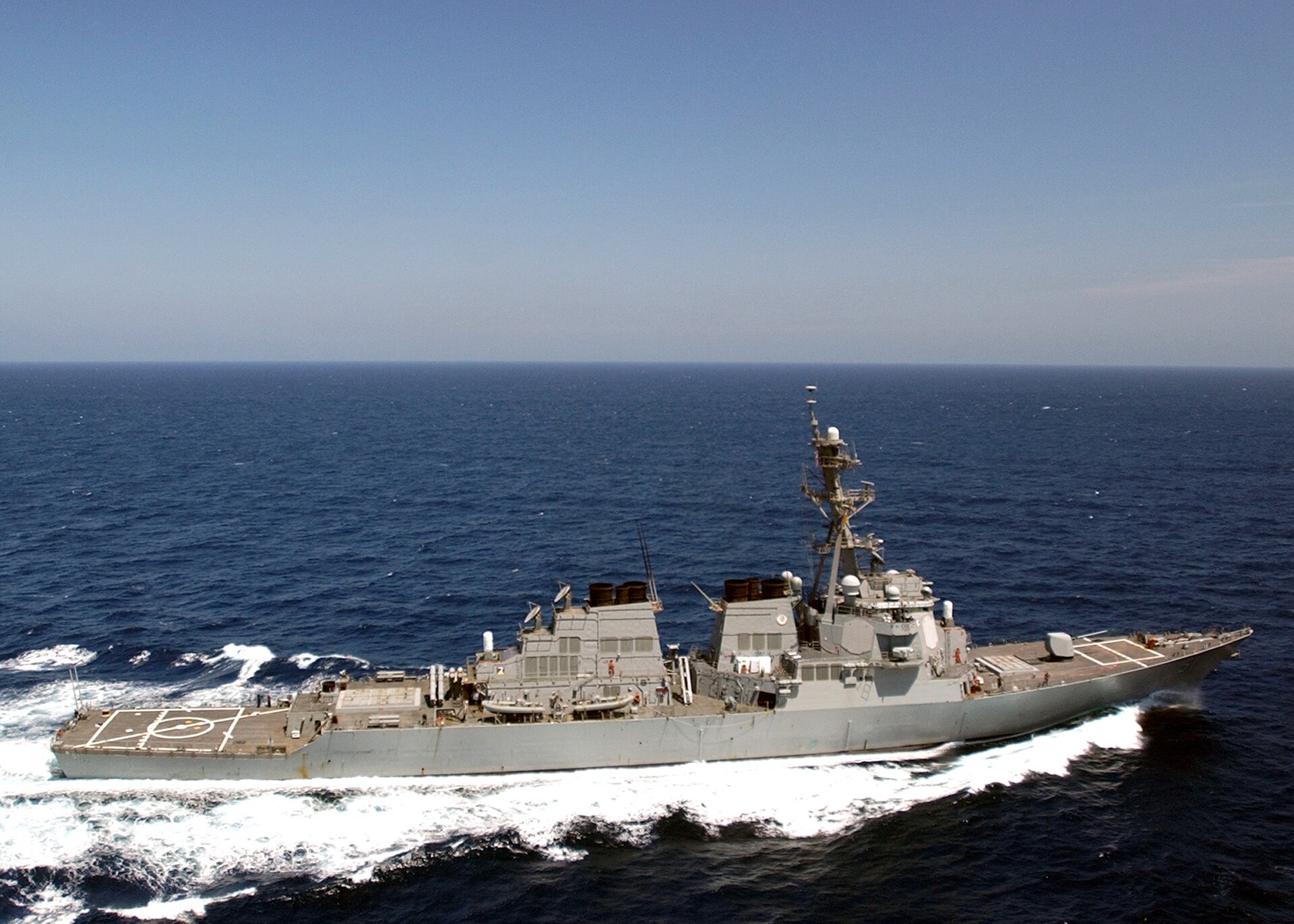
| US Navy | China’s navy | |
|---|---|---|
| Aircraft carriers | 11 nuclear-powered | 3, including the catapult-equipped Fujian |
| Nuclear submarines | About 66 | About 12 |
| Missile launch cells (VLS) | About 9,900 | About 4,200 |
| Destroyers | 73 | 42 |
The US still has big advantages in carriers, submarines, missile cells and combat experience, plus allies. Japan and South Korea together built about 40 percent of the world’s ships in 2023, and their navies are capable. But CSIS warned in 2024 that China could have more missile cells than the US Navy by around 2027, and that in wargames over Taiwan, China lost far more ships than the US but still had more left at the end. History also offers a sobering lesson: CSIS cites research showing the larger fleet won 25 of 28 major naval wars.
China is also expanding its carrier force fast. Our explainer on China’s carrier leap covers the Fujian and the nuclear Type 004, and our piece on the J-35 explains the stealth jets that will fly from them.
What Washington is doing about it
- Executive action: an April 2025 executive order on maritime dominance called for rebuilding commercial and naval shipbuilding and the maritime workforce.
- Record budget: the Navy’s FY2027 shipbuilding plan, released on 11 May 2026, seeks about $66–69 billion (reports differ on how it is counted) for 34 manned ships and five unmanned vessels, the largest shipbuilding request in decades.
- Five-year plan: 122 ships and 63 unmanned systems by 2031, including 10 Virginia-class and 5 Columbia-class submarines, 7 destroyers and 23 medium landing ships.
- The “Golden Fleet” and a battleship: the plan includes $1 billion in advance funding for a new nuclear-powered Trump-class battleship, with purchases planned from FY2028. Early cost estimates of about $17.5 billion per ship are still being refined.
- Workforce and allies: new training grants, partnerships with South Korean and Finnish shipbuilders, and investment by Korea’s Hanwha in the Philadelphia shipyard. Congress is divided over whether US warships can be built in allied yards.
The battleship debate
The proposed battleship is the most controversial part of the plan. Supporters say a large, nuclear-powered ship with hypersonic missiles and lasers would carry more firepower and endure longer than destroyers. Critics argue that putting so much money into a single, very visible target makes little sense when submarines, drones and long-range missiles are reshaping naval warfare, and that the yards cannot even deliver today’s ships on time.
What it means for India and the Indo-Pacific
- The Indian Ocean: as China’s navy grows, more of it can operate in the Indian Ocean. The Indian Navy’s own carriers, submarines and new fighters, such as the Rafale M on INS Vikrant, matter more.
- Partnership: US Navy ships have been repaired at Indian shipyards in recent years, and Washington wants allies to help with maintenance capacity it lacks.
- Submarines: India faces its own submarine gap, explained in our piece on Project 75I.
- Taiwan: the naval balance in the Western Pacific shapes the risks discussed in our Taiwan 2027 explainer.
Common misconceptions
- “China’s navy is now stronger than America’s.” It is bigger by ship count, but the US still leads in carriers, submarines, missile cells and experience. The gap is closing, not closed.
- “The US can simply spend its way out.” Money helps, but workers, suppliers and shipyard space take years to build.
- “Ship numbers do not matter in the missile age.” Numbers matter for presence, endurance and absorbing losses in a long war.
Our take
The US Navy is not about to lose its global reach, but the comfortable margin it has enjoyed since 1945 is gone. China can now out-build it, and in a long war near China’s coast, that capacity could decide the outcome.
Watch three signals: whether Virginia-class production actually reaches two a year, whether the new frigate avoids the Constellation’s fate, and whether Congress allows allied shipyards to help. The battleship will grab headlines, but submarines, missiles and shipyard workers will decide the race.
Frequently asked questions
Does China have a bigger navy than the US?
By number of ships, yes: about 370 or more for China in 2023 against 291 US battle force ships in May 2026. The US still leads in aircraft carriers, nuclear submarines and missile launch cells.
How much bigger is China’s shipbuilding capacity?
A US Navy briefing slide estimated about 230 times America’s capacity. China builds around half of the world’s commercial ships, while the US builds less than 1 percent.
How many ships does the US Navy have?
The Navy said in May 2026 that it operates 291 battle force ships, 64 fewer than the 355 required by law.
What is the US “Golden Fleet”?
It is the name associated with the Navy’s FY2027 shipbuilding push, which includes 34 new ships, more unmanned vessels and early funding for a new nuclear-powered Trump-class battleship.
Why was the Constellation frigate cancelled?
Years of delays and design changes left the first ship only about 12 percent complete in late 2025. The Navy cancelled all but the first two ships in November 2025 and announced a new FF(X) frigate.
How many submarines does the US build each year?
About 1.3 Virginia-class attack submarines a year as of 2026. The Navy aims for two a year, which it expects around 2032.
Sources and further reading
Researched using official statements and published reporting up to 6 November 2026.
- Washington Times: US Navy unveils 30-year plan, 12 May 2026
- gCaptain: $65.8 billion shipbuilding push for the Golden Fleet, 11 May 2026
- USNI News: Virginia subs will hit two-a-year rate in 2030s, 12 May 2026
- CSIS: Unpacking China’s naval buildup, 5 Jun 2024
- The Cipher Brief: US warship production in crisis, 19 May 2025
- Wikipedia: Constellation-class frigate


Leave a Reply