
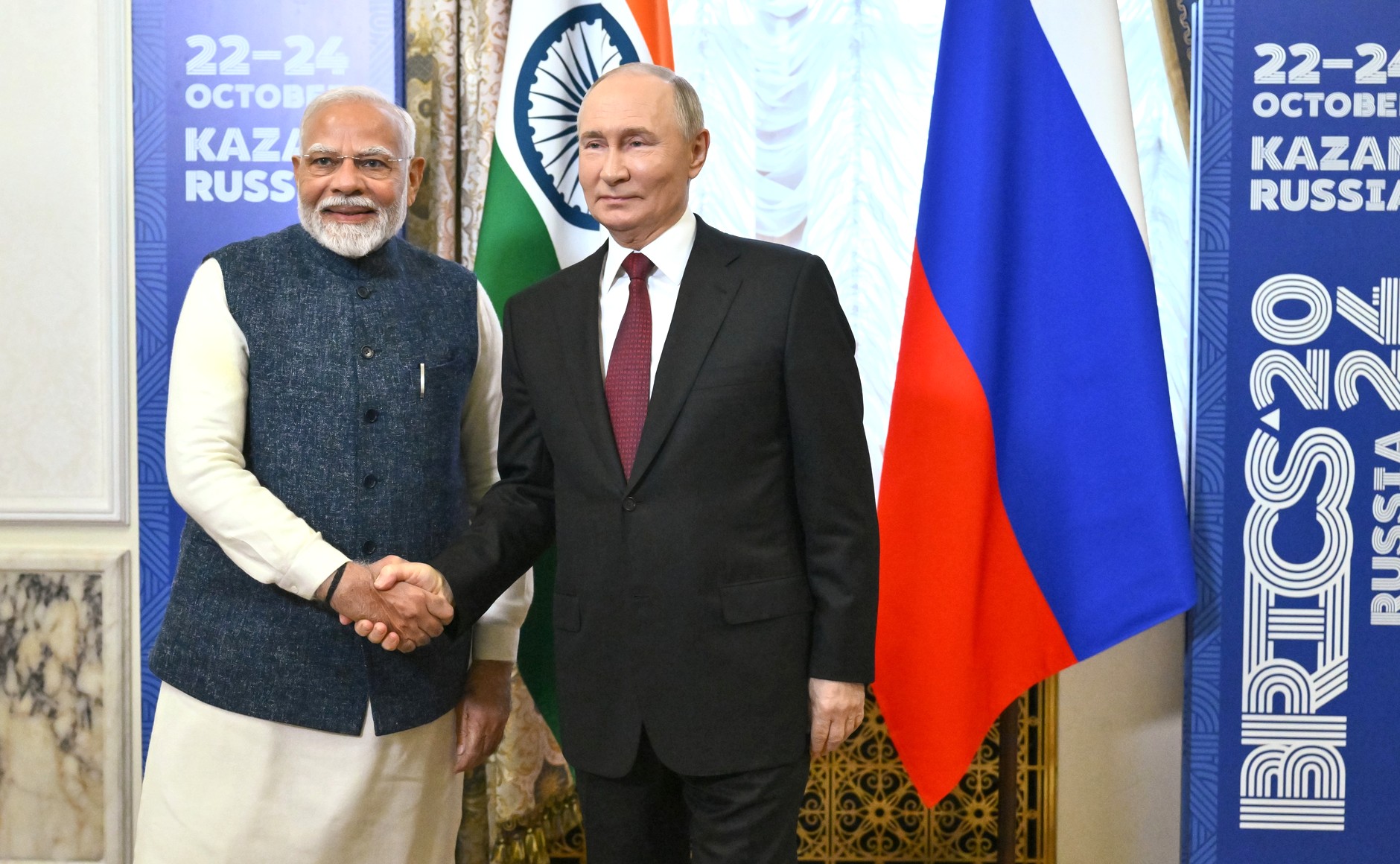
When Vladimir Putin landed in New Delhi in December 2025, it was his first visit to India in four years, and it came at an awkward moment. The United States had slapped 50 percent tariffs on Indian goods partly over Russian oil, Washington had just sanctioned Russia’s biggest oil companies, and India was negotiating a new defence framework with the Pentagon.
Yet the welcome was warm. That captures the India–Russia relationship in 2026: still deep, still useful to both, but under more pressure than at any time since the Cold War. This guide explains what India gets from Russia, what is changing, and what the future looks like.
Quick answer: India and Russia have a “special and privileged strategic partnership” built on decades of arms supplies, energy trade and diplomatic support. Russia is still India’s largest arms supplier, though its share of India’s imports fell from about 64% to about 36% over a decade. Russian oil became India’s top crude source after 2022, but US tariffs, sanctions and a 2026 India–US trade deal are pushing India to buy less.
India–Russia ties at a glance
| Status | Special and Privileged Strategic Partnership (since 2010) |
| Latest summit | 23rd annual summit, New Delhi, 4–5 December 2025 |
| Trade (FY2024-25) | About $68.7 billion, mostly Indian imports of Russian oil |
| Trade target | $100 billion by 2030 |
| Russian share of India’s arms imports | About 36% (2020–24), down from about 64% (2013–17) |
| Key systems | Su-30MKI, T-90, S-400, INS Vikramaditya, BrahMos (JV), AK-203 (JV) |
| New pact | Reciprocal logistics agreement signed February 2025 |
| Friction points | Oil sanctions, payments, delivery delays, Russia–China ties |
In this article
- Why the relationship runs so deep
- Arms: still the biggest supplier, but shrinking
- What’s new in defence cooperation
- The December 2025 summit
- Oil: the relationship’s biggest change
- India’s position on the Ukraine war
- Corridors and the Far East
- The China problem
- The challenges
- Common misconceptions
- Our take
- Frequently asked questions
- Sources and further reading
Why the relationship runs so deep
The partnership dates back to the Soviet era. Moscow supplied India with fighter jets, tanks and warships when Western countries would not, stood by India diplomatically, including through UN Security Council vetoes on Kashmir, and signed a friendship treaty in 1971 that helped India during the war that created Bangladesh.
That history built a level of trust, and dependence, that persists. A large share of the Indian military’s equipment is of Russian or Soviet origin, from Su-30MKI fighters to T-90 and T-72 tanks, and keeping it running requires Russian spares and support.
Arms: still the biggest supplier, but shrinking
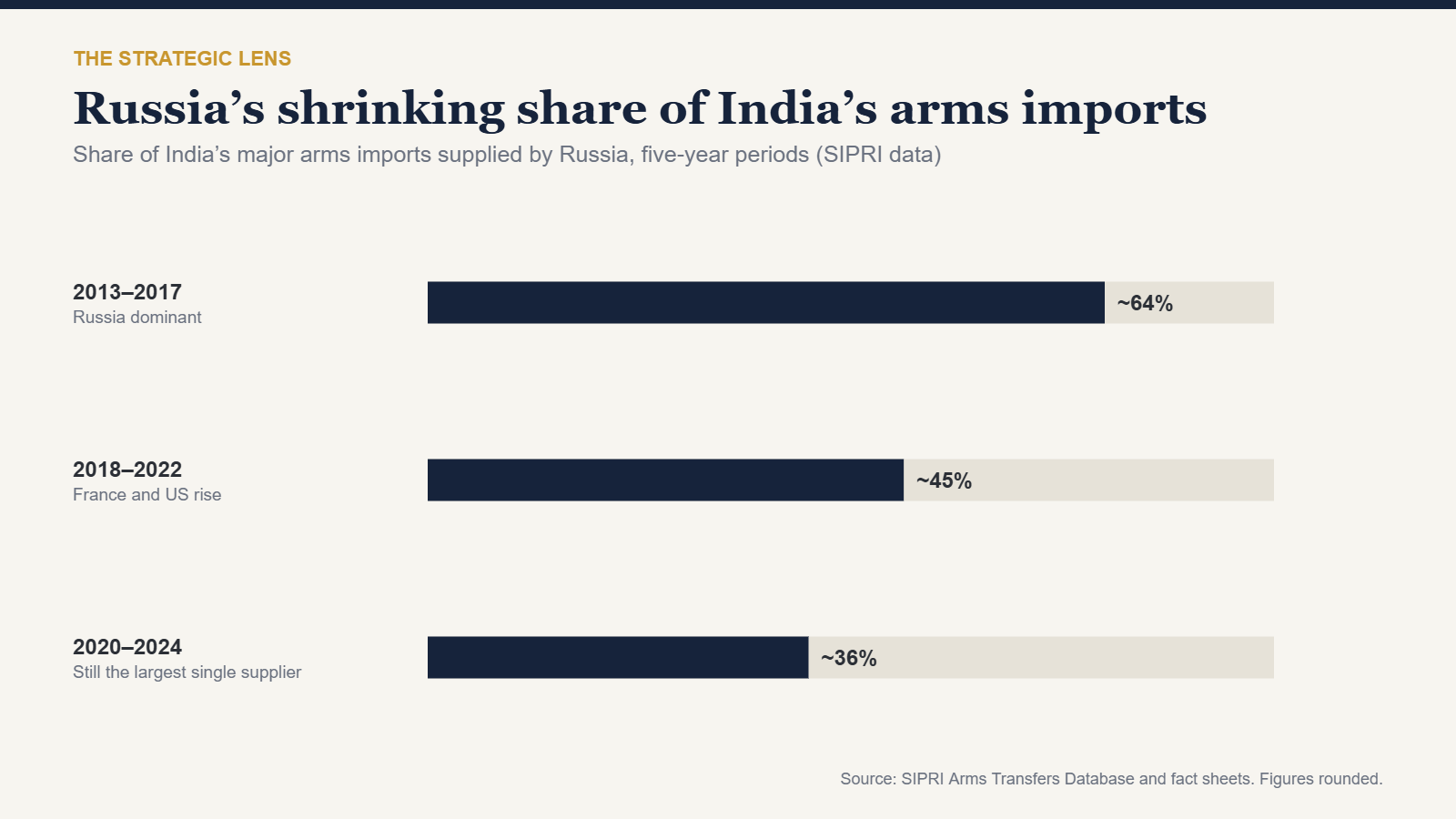
According to SIPRI, Russia supplied about 64 percent of India’s major arms imports in 2013–17, about 45 percent in 2018–22 and about 36 percent in 2020–24. It remains India’s single largest supplier, but France, the United States and Israel have grown fast, and India increasingly builds its own weapons.
| System | Role | Status |
|---|---|---|
| Su-30MKI | Air Force backbone, 270+ jets built in India by HAL | Upgrade under discussion |
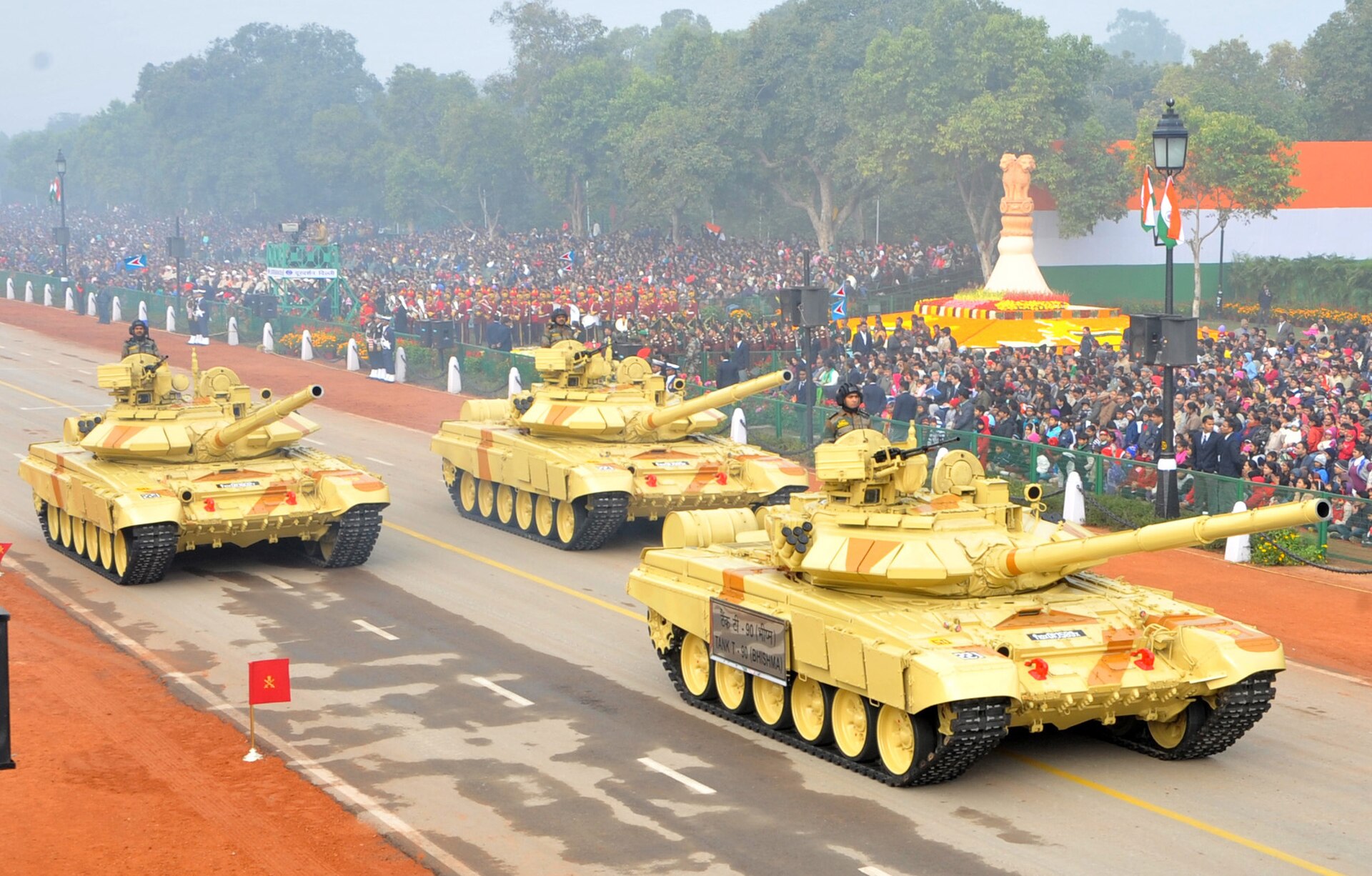
| T-90 Bhishma | Main battle tank, built under licence | In service |
| S-400 | Long-range air defence | Five units ordered in 2018; final units arriving 2026 |
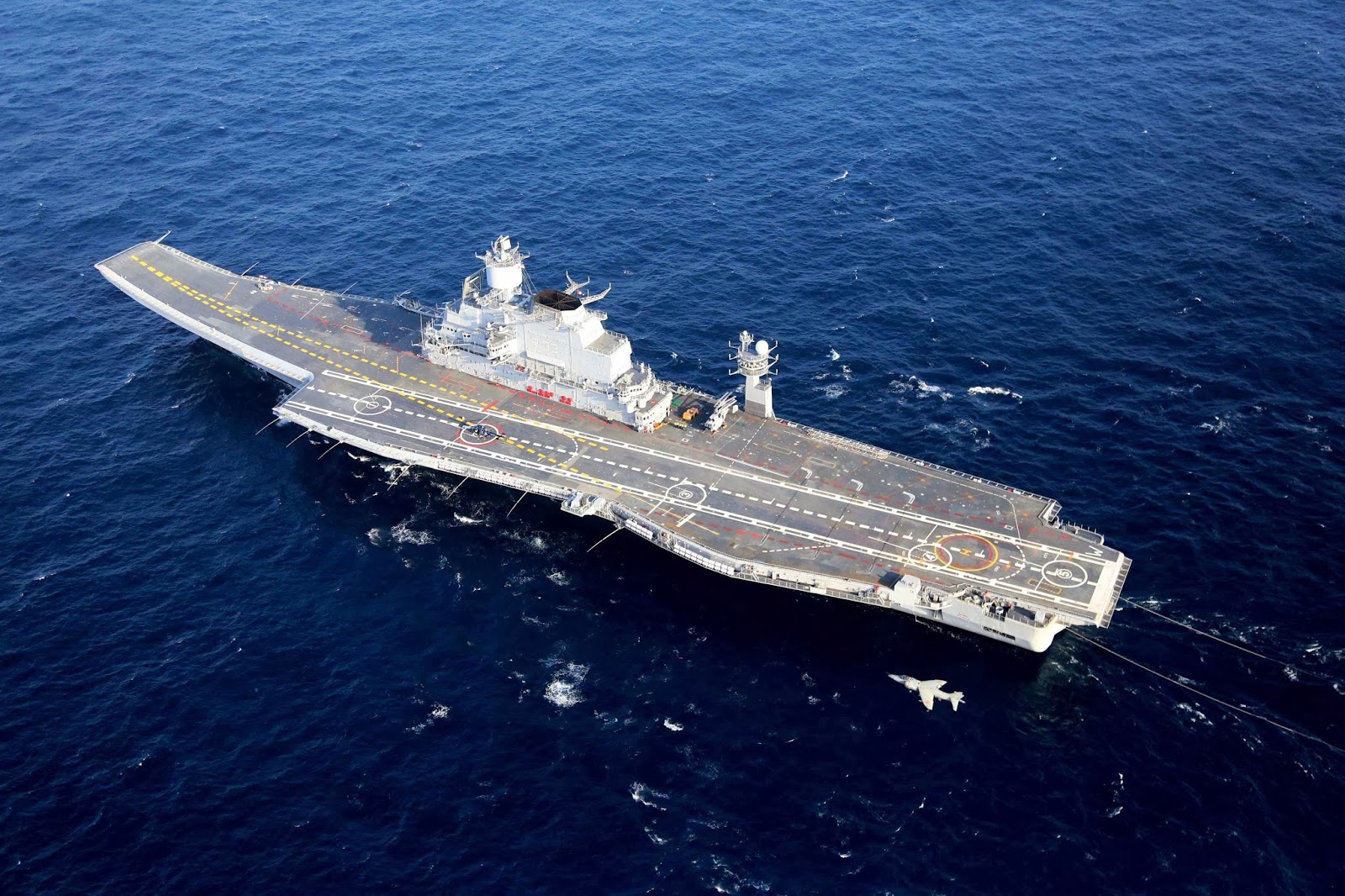
| INS Vikramaditya | Aircraft carrier (converted Russian ship) | In service |
| Talwar/Tushil-class frigates | Warships, latest built in Russia | Tushil (2024) and Tamal (2025) commissioned |
| BrahMos | Supersonic cruise missile, India–Russia JV | In service and exported |
| AK-203 | Assault rifle, made in Amethi by a JV | In production |
Two of these stand out. The BrahMos missile, built by a 50.5:49.5 Indian–Russian joint venture, is now India’s biggest defence export. And the S-400 air defence system played a central role in India’s defence during the May 2025 conflict with Pakistan, according to Indian officials.
What’s new in defence cooperation
- Logistics pact: in February 2025, the two sides signed an agreement on reciprocal logistics support, covering exercises, port calls and disaster relief. Russia’s parliament ratified it before Putin’s December visit.
- Su-30MKI upgrade: India and Russia have discussed modernising the Su-30MKI fleet with new engines, radar and missiles.
- Su-57 offer: Russia has offered its Su-57E stealth fighter with licence production at HAL. India has not agreed. See our Su-57 explainer.
- Co-production: both sides talk about moving from buying and selling to joint development and local manufacture of spares, a long-standing Indian demand.
The December 2025 summit
At the 23rd annual summit in New Delhi on 4–5 December 2025, Modi and Putin agreed an economic cooperation programme running to 2030 and set a target of $100 billion in annual trade by then. They pledged to work towards a free trade agreement between India and the Russia-led Eurasian Economic Union, and Modi announced free e-visas for Russian tourists. An agreement on Indian skilled workers going to Russia was still being finalised.
Putin promised an “uninterrupted supply” of fuel to India. India pressed for faster delivery of the remaining S-400 units. No major new arms contract was announced at the summit itself.
Oil: the relationship’s biggest change
Before 2022, Russia supplied a tiny share of India’s oil. After Western countries shunned Russian crude following the invasion of Ukraine, India bought it at a discount. By 2023 Russia had become India’s largest crude supplier, at times providing more than a third of its imports, and India became the second-largest buyer of Russian crude after China. India refused to sign up to the Western price cap.
Then the pressure mounted. In August 2025 the US raised tariffs on Indian goods to 50 percent, citing Russian oil. In October 2025 Washington sanctioned Rosneft and Lukoil, Russia’s two biggest oil producers, and many Indian refiners paused purchases. In February 2026, the US and India struck an interim trade deal that cut tariffs to 18 percent, with India agreeing to shift away from Russian oil. Our explainer on the US–India defence partnership covers that deal.
India’s position on the Ukraine war
India has refused to condemn Russia outright, abstaining on most UN votes on the war, while calling for dialogue and respect for territorial integrity. In 2022 Modi told Putin publicly that “today’s era is not an era of war”. India sees this as strategic autonomy; Western critics see it as fence-sitting. Either way, India has avoided choosing sides.
Corridors and the Far East
Beyond arms and oil, the two countries are building trade routes that avoid Western-controlled chokepoints: the International North–South Transport Corridor through Iran, and a Chennai–Vladivostok maritime route that Indian officials said was operational by 2024, cutting transit times sharply. Indian firms also hold stakes in Russian oil and gas projects.
The China problem
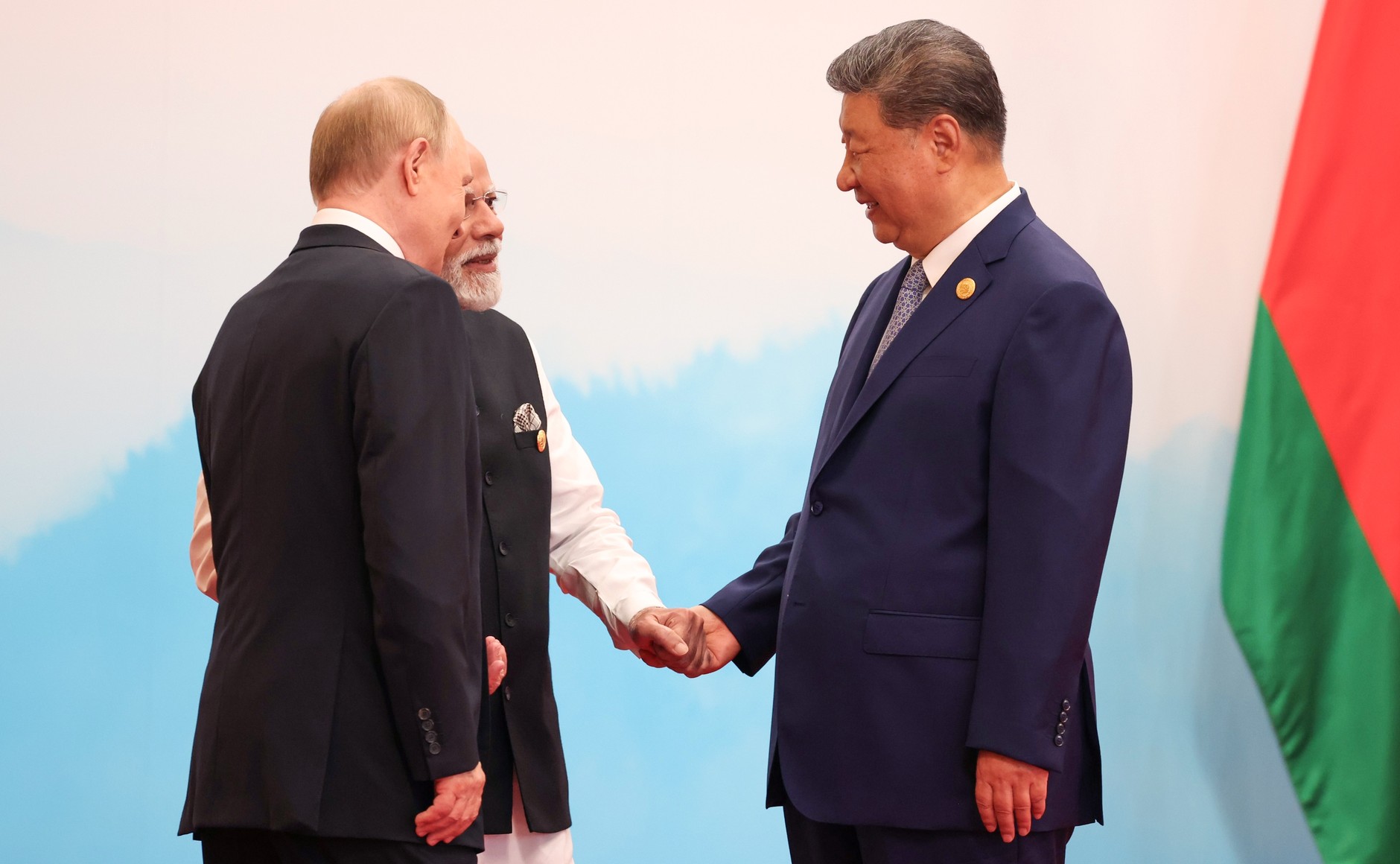
The biggest long-term worry for India is Russia’s growing dependence on China. China is now Russia’s largest trading partner and supplier of key technology, and the two militaries exercise together more than ever. India fears that in a future crisis with China, a weakened Russia might be unable, or unwilling, to stand by India, or even to keep supplying spares on time.
The challenges
- Sanctions and payments: Western sanctions make it hard to pay for Russian goods, and India’s rupees have piled up in Russian accounts.
- Delivery delays: the war in Ukraine slowed deliveries of the S-400 and spares.
- US pressure: tariffs and sanctions have raised the cost of buying Russian oil and weapons.
- Trade imbalance: India buys far more than it sells.
- Russia–China alignment: the deeper it goes, the less Russia can be a counterweight to China for India.
Common misconceptions
- “India is moving away from Russia completely.” Its arms purchases are diversifying, but Russia remains the largest supplier and a key partner.
- “India supports Russia’s war.” India has abstained and kept buying Russian oil, but it has not endorsed the invasion and has called for peace.
- “Russian weapons failed in Ukraine, so India should drop them.” Some systems underperformed, but others, like the S-400 in Indian hands in 2025, have been credited with success by Indian officials.
Our take
India–Russia ties are no longer what they were in the Cold War, but they are far from finished. India still needs Russian spares, the S-400, BrahMos and a friendly voice at the UN, and Russia needs Indian money and a partner that is not China.
The relationship is shifting from dependence to selective partnership. Watch three things: whether India signs any big new Russian arms deal, such as the Su-57 or Su-30MKI upgrade; how far Indian oil imports from Russia fall under US pressure; and whether Russia’s alignment with China deepens. The answers will show whether this is a partnership in managed decline or one finding a new balance.
Frequently asked questions
Is Russia still India’s biggest arms supplier?
Yes. SIPRI data show Russia supplied about 36 percent of India’s major arms imports in 2020–24, down from about 64 percent in 2013–17, but still more than any other single country.
What happened at Putin’s December 2025 visit to India?
At the 23rd annual summit on 4–5 December 2025, the two sides agreed an economic cooperation programme to 2030, set a $100 billion trade target and pledged to work on a free trade deal. Putin promised continued fuel supplies.
Does India still buy Russian oil?
Yes, but less. Russia became India’s top crude supplier after 2022. US tariffs, sanctions on Rosneft and Lukoil, and a February 2026 India–US trade deal have pushed India to reduce purchases.
What Russian weapons does India use?
Major systems include the Su-30MKI fighter, T-90 and T-72 tanks, S-400 air defence, INS Vikramaditya, Talwar-class frigates, and joint products such as BrahMos missiles and AK-203 rifles.
Will India buy the Su-57?
Russia has offered it with licence production, but India has not agreed as of November 2026.
What is India’s position on the Ukraine war?
India has abstained on most UN resolutions, called for dialogue and diplomacy, and continued trade with Russia, while Prime Minister Modi has said this is “not an era of war”.
Sources and further reading
Researched using official statements and published reporting up to 6 November 2026.
- CBS News/AP: Putin visits India, offers uninterrupted fuel supply, 5 Dec 2025
- Vajiram & Ravi: Putin’s India visit 2025 explained, Feb 2026
- The Tribune: NSA in Russia; crude, S-400, Sukhoi upgrade on agenda, 7 Aug 2025
- Military Watch: Su-30MKI upgrades discussed, 5 Dec 2025
- Wikipedia: India–Russia relations


Leave a Reply