
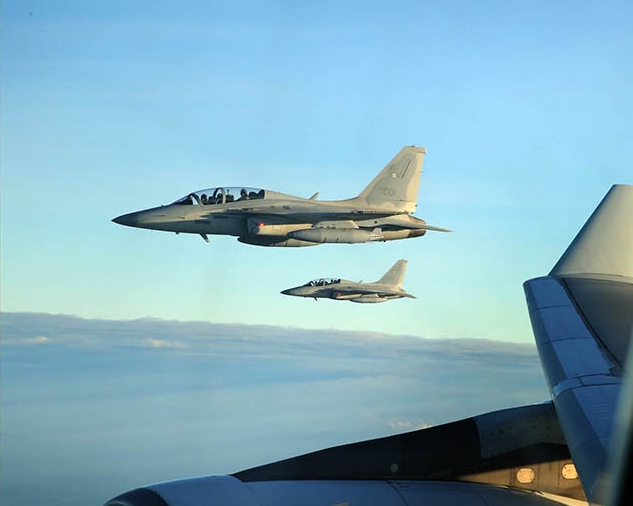
In September 2005 the Philippine Air Force retired its last F-5 fighters. For the next ten years, one of Asia’s largest archipelagos, sitting next to the South China Sea, had no jet fighters at all. Twelve South Korean FA-50 light fighters arrived from 2015, but they were trainers adapted for combat, not true frontline jets.
For more than a decade, Manila has talked about buying proper multirole fighters. Gripen, F-16, and now the Korean KF-21 have all been “frontrunners” at some point. This article explains the Philippine Air Force’s fighter jet decision: why it matters, the five contenders, the costs, and what is likely to happen.
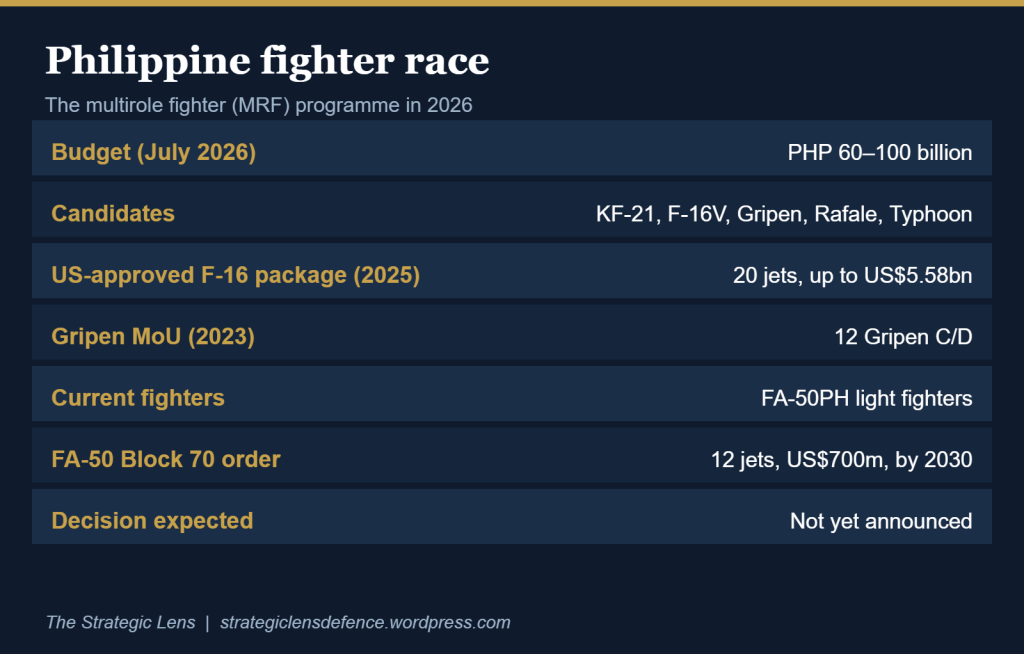
Quick answer: In July 2026, Defense Secretary Gilberto Teodoro said the Philippines was looking at about five suppliers for its Multi-Role Fighter (MRF) programme, with a budget of around 60–100 billion pesos. The candidates reported are the South Korean KF-21, the American F-16V, the Swedish Gripen, the French Rafale and the Eurofighter Typhoon. No decision has been announced. Meanwhile, 12 more FA-50 Block 70 light fighters are on order for delivery by 2030.
In this article
Why the Philippines needs fighters
The Philippines has over 7,000 islands and a huge exclusive economic zone. Chinese aircraft and drones increasingly operate near Philippine airspace, and Chinese ships push into Philippine waters, as we describe in our South China Sea explainer. Without modern fighters, the Philippines cannot properly police its airspace, protect its ships or support allies in a crisis.
Air force chief Lt Gen Arthur Cordura was blunt in 2025: the Philippines “cannot be at par with China even 10 to 20 years from now”. His goal is a “niche air force” with credible deterrence, so that an adversary would “think twice” before intruding.
The FA-50: a stopgap that became a backbone
The FA-50 is a light combat version of South Korea’s T-50 supersonic trainer, built by Korea Aerospace Industries (KAI). The Philippines ordered 12 in 2014 for about US$420 million, and they were delivered between 2015 and 2017. They have flown combat missions against insurgents and now regularly intercept aircraft over the West Philippine Sea.
In June 2025, Manila signed a US$700 million deal for 12 more advanced FA-50 Block 70s, with better radar and longer range. South Korea aims to deliver the first aircraft by 2028 and all 12 by 2030, eventually giving the air force about 24 FA-50s. Useful as they are, FA-50s lack the range, radar and weapons load of a true multirole fighter.
A decade of near-decisions
| Year | What happened |
|---|---|
| 2016 | Saab opens a Manila office to pitch the Gripen for a 12-jet requirement |
| 2018 | Defense Secretary Lorenzana says the Gripen is the most likely choice |
| 2021 | US approves possible sale of 12 F-16 Block 70/72s for about US$2.43 billion |
| 2023 | Philippines and Sweden sign an MoU covering 12 Gripen C/Ds |
| April 2025 | US approves possible sale of 20 F-16s for up to US$5.58 billion |
| June 2025 | 12 more FA-50 Block 70s ordered for US$700 million |
| July 2026 | Teodoro says about five suppliers are under consideration |
Each time, money, politics or changing requirements pushed the decision back. The 2025 F-16 package in particular was widely seen as far too expensive for the Philippine budget.
The five contenders
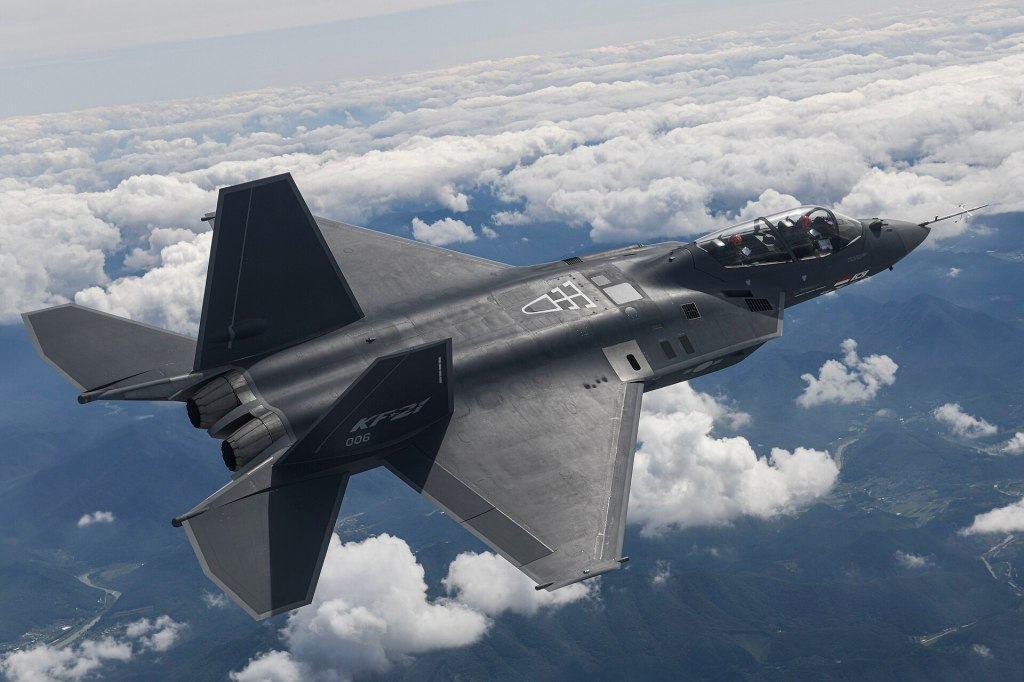
1. KAI KF-21 Boramae (South Korea). A twin-engine “4.5-generation plus” fighter with some stealth shaping, which entered production in 2026. The Philippines already flies Korean FA-50s and buys Korean warships, so training and support would fit neatly. In October 2026 Defence Security Asia reported that Manila was eyeing as many as 40 KF-21s, though the Philippine government has not confirmed this. Korean reporting suggested a decision between late 2026 and mid-2027.
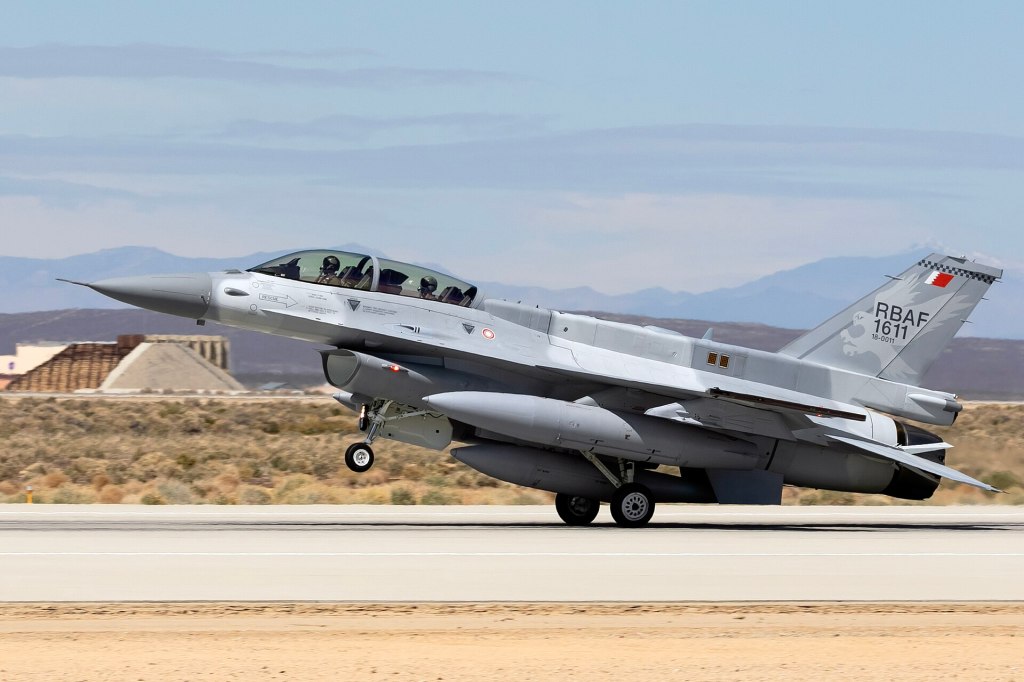
2. Lockheed Martin F-16V / Block 70 (USA). The most combat-proven option and the best fit with US forces. In April 2025 the US State Department approved a possible sale of 16 F-16Cs and 4 F-16Ds with missiles and support, estimated at up to US$5.58 billion. That headline figure covers a large package of weapons and support, but it far exceeds the Philippine budget, and reports say Manila returned the proposal as too expensive.
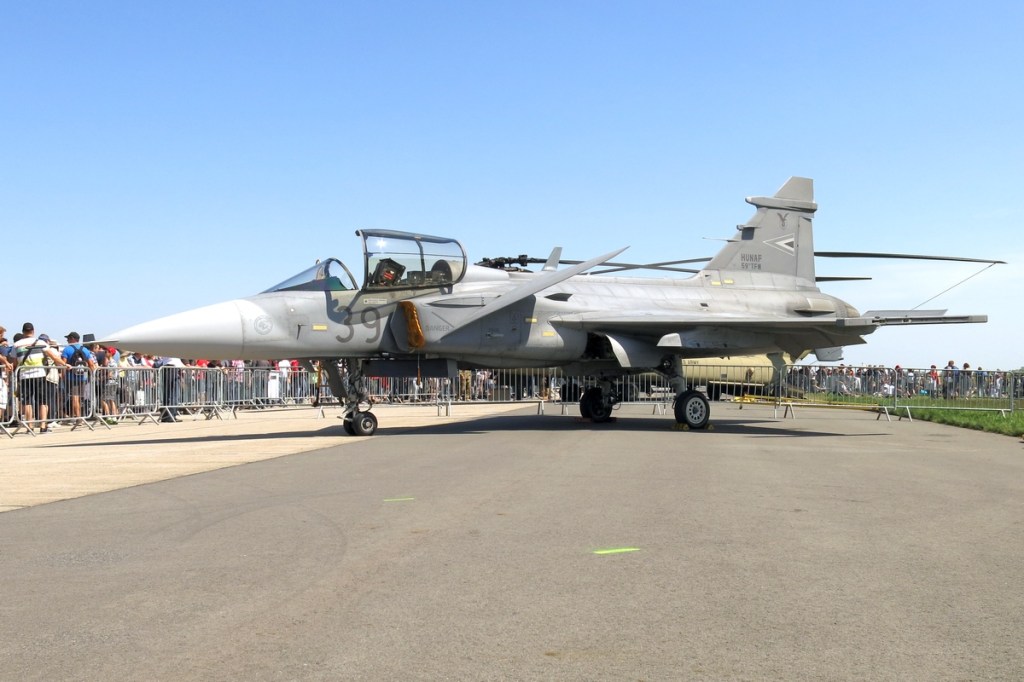
3. Saab JAS 39 Gripen (Sweden). The long-time favourite, designed for low operating costs and operation from short, dispersed runways, which suits an archipelago. A 2023 memorandum of understanding covered 12 Gripen C/D MS20 aircraft. Teodoro met his Swedish counterpart in July 2026 to discuss it again. Its weak point is smaller weapon loads and less US-compatible equipment than the F-16.
4. Dassault Rafale (France). A powerful, combat-proven jet flown by India, Egypt and Indonesia. The new Philippines–France visiting forces agreement signed in March 2026 adds a political angle. But the Rafale is among the most expensive options.
5. Eurofighter Typhoon (UK, Germany, Italy, Spain). A high-performance air superiority fighter. In August 2026 Italy’s Leonardo, one of the Eurofighter partners, said it was capable of supplying and customising multirole fighters for the Philippines. Like the Rafale, cost is the main hurdle.
Head-to-head comparison
| Fighter | Engines | Strengths for the Philippines | Weaknesses |
|---|---|---|---|
| KF-21 | Two | Synergy with FA-50s and Korean ships; modern design; likely flexible financing | Newest jet with little operational history |
| F-16 Block 70 | One | Combat-proven; works seamlessly with US forces | Expensive package; US export conditions |
| Gripen C/D or E/F | One | Low operating cost; short-runway operations | Smaller payload; fewer users in Asia |
| Rafale | Two | Very capable; proven in combat | High cost |
| Typhoon | Two | Excellent air-to-air performance | High cost; complex support |
The money problem
The July 2026 budget of 60–100 billion pesos (roughly US$1–1.7 billion) is enough for perhaps a dozen modern fighters with basic support, not the 40 or more some officials want. Teodoro has also said the fighters should come as a full package with airborne early-warning aircraft and aerial tankers, which he said “add considerably to the cost”.
The fighter competes for money with frigates, missiles, radars and possibly submarines under the Re-Horizon 3 modernisation plan. That is why government-to-government deals with loans or long payment terms, of the kind South Korea and Sweden can offer, matter as much as the aircraft themselves.
What is likely to happen
- A phased buy. A first batch of around 12 jets, with options for more as money allows, is the most realistic path.
- Financing will decide. The winner will likely be whoever offers the best credit, offsets and delivery schedule, not simply the best aircraft.
- Korean momentum. With FA-50s, frigates and patrol ships already from South Korea, the KF-21 has a strong logistical case.
- US alternatives. Washington may offer cheaper F-16 packages or financing to keep the Philippines in its supply chain.
Could India play a role?
India is not in the fighter race; its Tejas Mk1A was pitched to several countries but is focused on Indian Air Force orders. But India already supplies BrahMos missiles to the Philippines, and an air-launched BrahMos variant has been integrated on the Su-30MKI. Whichever fighter Manila picks, Indian weapons and training cooperation could become part of the package over time.
Our take
The Philippines has spent a decade choosing a fighter and buying something else instead. The FA-50 Block 70 order is sensible, but it is not a substitute for a real multirole jet. Given the budget, a first batch of KF-21s or Gripens with good financing looks more realistic than the F-16. The bigger risk is another delay: every year without modern fighters is a year in which China’s air activity near the Philippines goes largely unchallenged.
Frequently asked questions
Which fighter jet will the Philippines buy?
No decision has been announced. As of July 2026, the Philippines was considering about five suppliers: the KF-21, F-16V, Gripen, Rafale and Eurofighter Typhoon.
How much is the Philippines budgeting for multirole fighters?
Around 60–100 billion pesos, according to Defense Secretary Gilberto Teodoro in July 2026.
What fighter jets does the Philippine Air Force have now?
South Korean FA-50PH light fighters. Twelve more advanced FA-50 Block 70s were ordered in June 2025 for delivery by 2030.
Did the US approve F-16s for the Philippines?
Yes. In April 2025 the US approved a possible sale of 20 F-16 Block 70/72s with weapons and support, estimated at up to US$5.58 billion.
Is the Philippines buying the KF-21?
It is reported to be a leading candidate, with one report suggesting interest in up to 40 jets, but the Philippine government has not confirmed a selection.
Why did the Philippines not buy the Gripen earlier?
Budget constraints and shifting priorities repeatedly delayed the multirole fighter programme, even after a 2023 MoU with Sweden.
Sources and further reading
Researched using official statements and published reporting up to 6 November 2026.
- The Philippine Post / PNA: Philippines looking at 5 fighter jet suppliers, July 2026
- GlobalSecurity: Philippine F-16 multirole fighter, including 2021 and 2025 DSCA notices
- Defence Security Asia: Philippines reportedly eyes 40 KF-21 fighters, October 2026
- Philippine News Agency: Additional FA-50 jets a big boost, July 2025
- South China Morning Post: Philippines eyes multirole fighter jets for credible deterrence, July 2025
- Saab Gripen potential operators (reference overview)


Leave a Reply